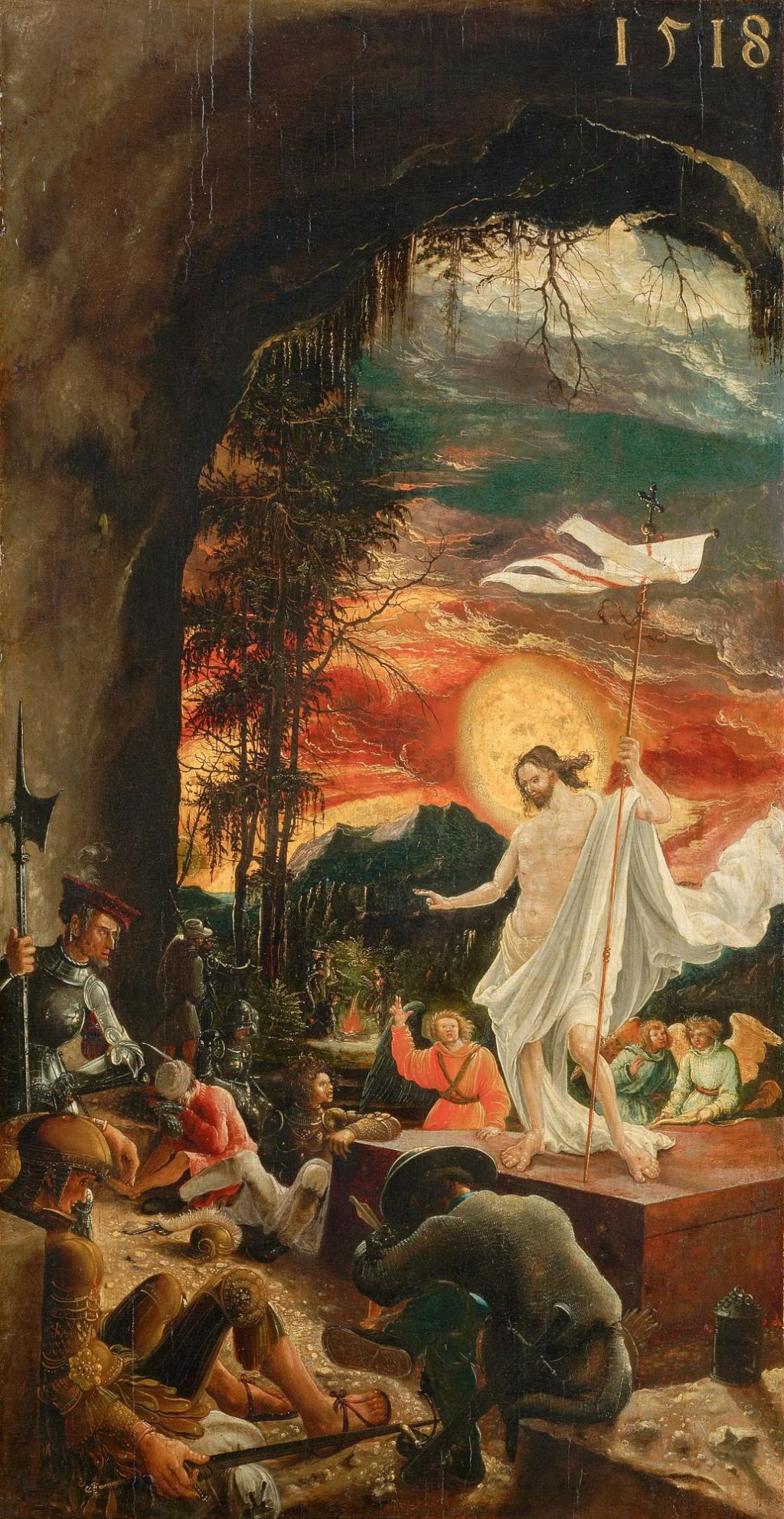
When we hear “no” after “no,” how do we remain standing?
It seems to me, in my weak faith, that God is absent from my pleas. In my cries of pain and despair. “My God, tell me something! If You are there, speak to me!” – I have said this so many times while tears fell on my pillow. How can one remain firm in faith when we pray to God every day, asking, and yet nothing goes as expected?
I do not know. Is there anyone who does? The truth is that this paradox forces me to look at this question with open eyes. Like me, each of us—a pilgrim—walks through the harshness of this life.
Furthermore, looking at the current global situation, I see struggles that are incredibly hard to survive. I also see much evil, a profound lack of empathy for others, and a lack of love and understanding. This leads me to another question. But we will get there.
How can a mother who has lost a child still speak to God? How can she survive? How can someone who lost a brother to drug addiction turn to God? These are the questions I impose upon God, in my anger toward all the suffering in the world. Questions that do not expect a theoretical answer, but a presence that sustains the weight of silence.
In my deep reflection, I remembered the phrase that, for me, sustains all solidarity with human suffering (Matthew 27:46):
“Eli, Eli, lama sabachthani?
“My God, my God, why have you Forsaken me?”
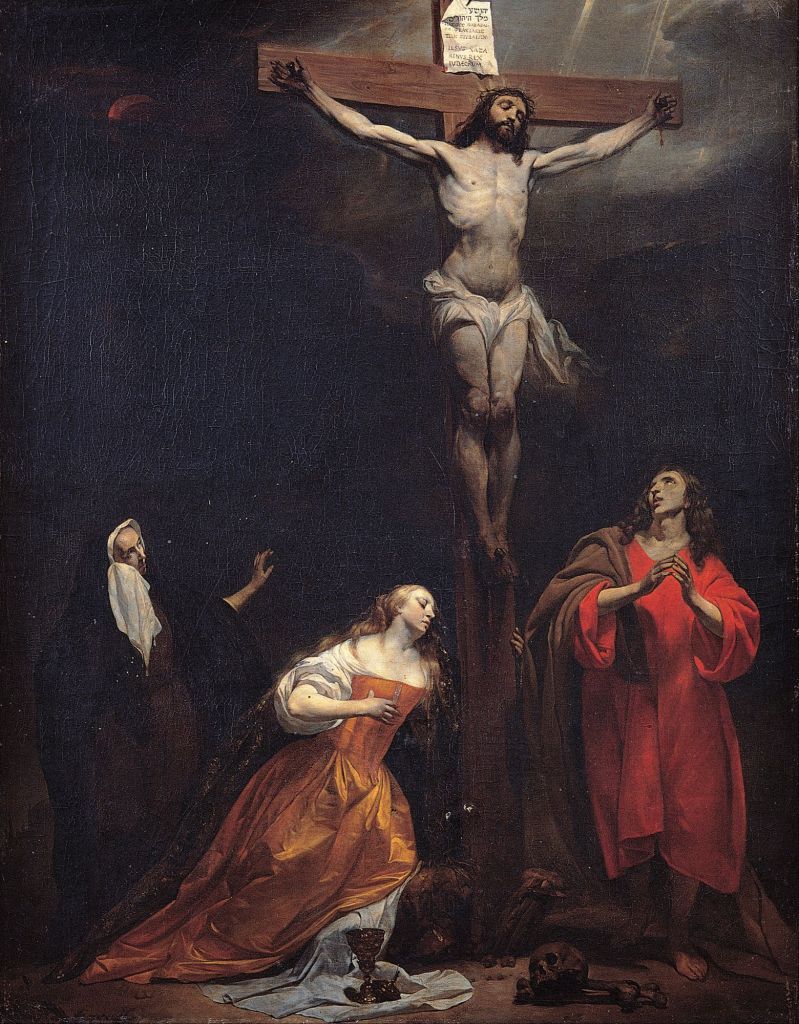
It is Jesus’ cry on the cross before His miserable end. Faced with the feeling—in solitude with human suffering—of the total absence of God. Jesus is praying the beginning of Psalm 22. It is the cry of the mother who lost her child, of the beggar who lost everything, of all those who die in war or from hunger. It is my cry when my life feels like an abyss with no return.
I thought that praying every day and walking the straight path would be enough, and that God would deliver me from all evil. The truth is that this would be using God as a disposable currency to be spent when needed. It would be expecting Him to favor me over others just because I did what was right. How wrong I was.
The freedom God grants us is a high price to pay. But how else would we know the difference between good and evil? It is we, as creatures loved and generated by Him, who must make the Kingdom of God emerge among us—through charity, love, and peace.
God came to us and died on the cross to show us His solidarity to the extreme. So that we know He is with us in all suffering, in all pain. And also in love. In a gesture of charity. In a child’s smile. In an emotional and proud gaze. As Saint Augustine said:
“Tu autem eras interior intimo meo et superior summo meo.“
“You, however, were more inward than my innermost self and higher than my highest point.”
For him, finding God in our innermost being is having the certainty that He shares in all our suffering. It is not that difficulties disappear because He is with us, but rather in knowing that He suffers with us that we are never left to feel alone.
In truth, one must pass through this desert where God seems absent. One must be thirsty to find Jesus. To feel Him beside us. Holding our hand. For He breaks through our desert with a cry of love. A cry that is not a mirage, but hope. A hope that springs from the void and makes us rise again. That makes us move forward and continue the pilgrimage.
Another scene that echoes as loud as that cry is Holy Saturday, referencing one of my favorite theologians: Hans Urs von Balthasar. A theme so dear to his theology, of incomparable beauty and dimension.
Jesus Christ, after dying on the cross, descends into Hell and suffers the ultimate fate of God’s absence: the void. The silence. Extreme loneliness. In that silence, which seems to the Apostles and to us like a defeat and a failure of His promise, Jesus is silently conquering death. I believe Jesus did not descend as a victor, but in a solidarity with sinners that transforms and overcomes death. I believe He held their hands and suffered with them. That He conquered the ultimate death and transformed it from within.
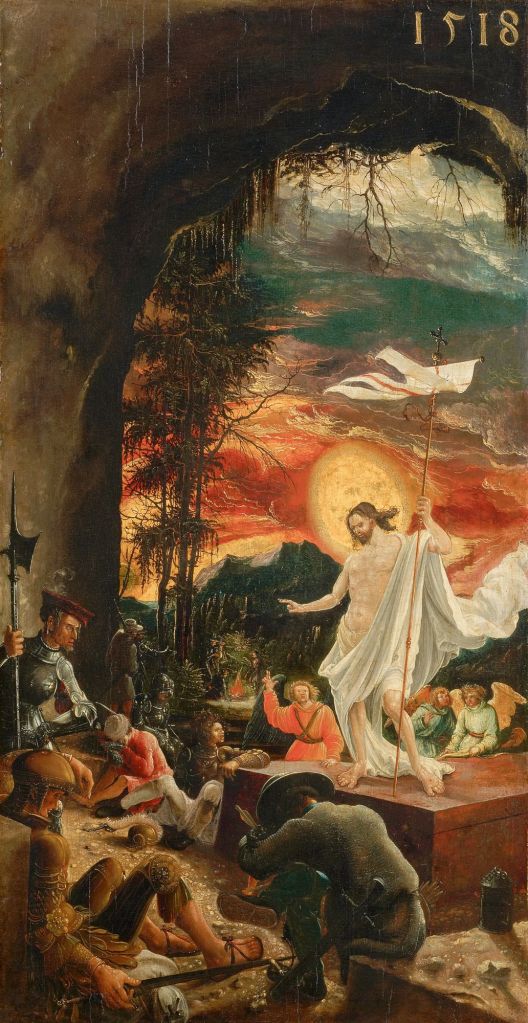
Just as He transforms each of us. Silently. Watering our hope. For Jesus Christ has conquered death!
Where do we go from there? What if even then it doesn’t work out? We keep walking. We keep going even when our feet can no longer hold us. Walking even when all is lost. Not ignoring the pain, not saying that only the strong endure, but feeling with the other. Holding a hand. Showing that in the midst of darkness, we can be a ray of Christ’s light.
We can stop to scream, to cry. And then keep going. I believe that despite so many times wanting to give up and thinking that God is no longer with me, it is His guiding thread and the fact that He is with me that keeps me from giving up. Day after day. There is always something telling me He is there. There is a page in the book Hope by Pope Francis, page 119, that marked me and summarizes this beautifully:
“Wisdom belongs to those who get back up. To those who move forward. To those who do not spend their time complaining, but get back into action. To those who do not harden their hearts in resentment and selfishness, but embrace life. Always.”
And once again I say: let us keep walking! Perseveremus in via!
Post Tenebras Spero Lucem
 Via Bruni Michaelis – Catholicism, Fashion & Everyday Life
Leave a comment